
Clouds from Daria Edström
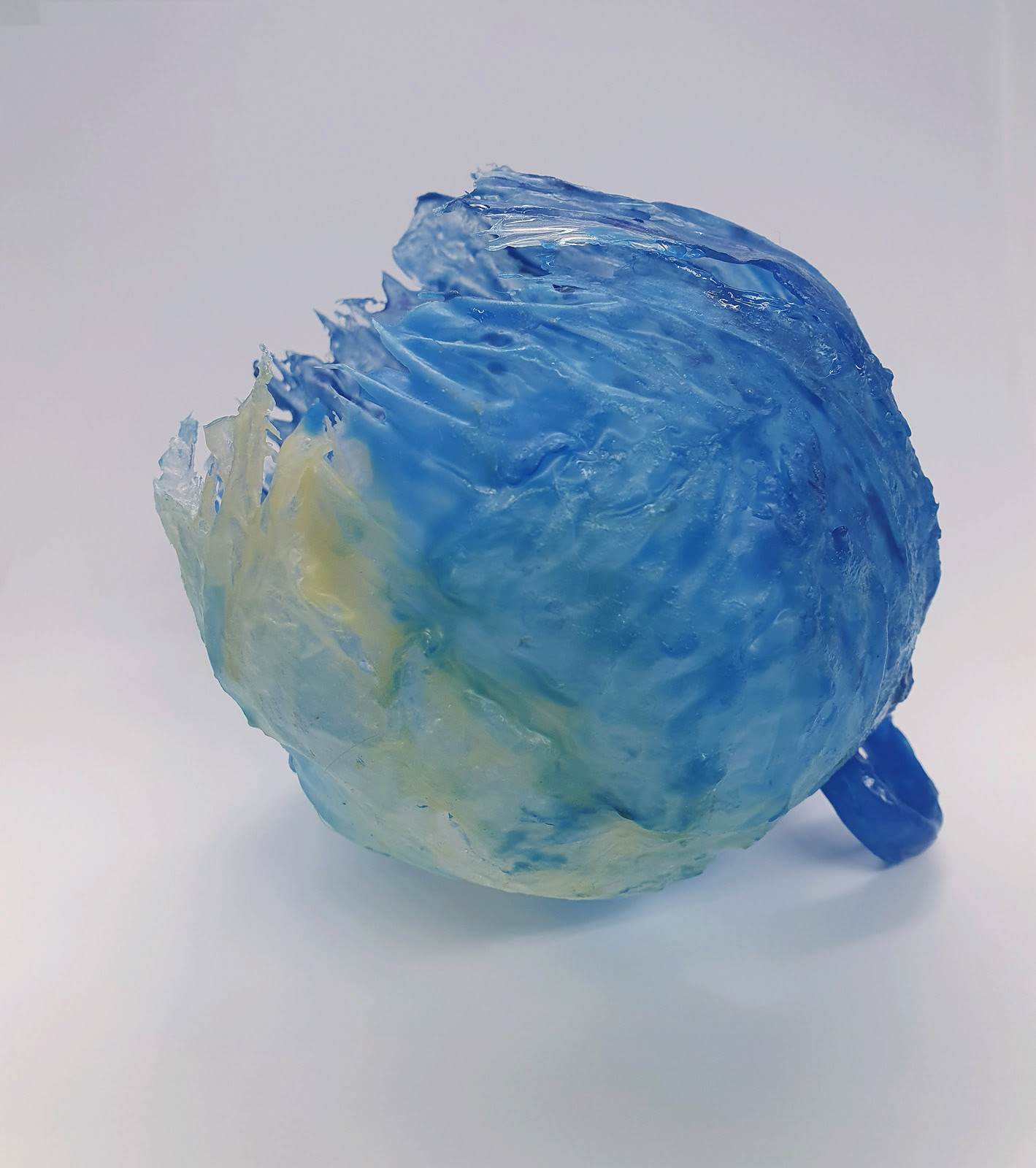
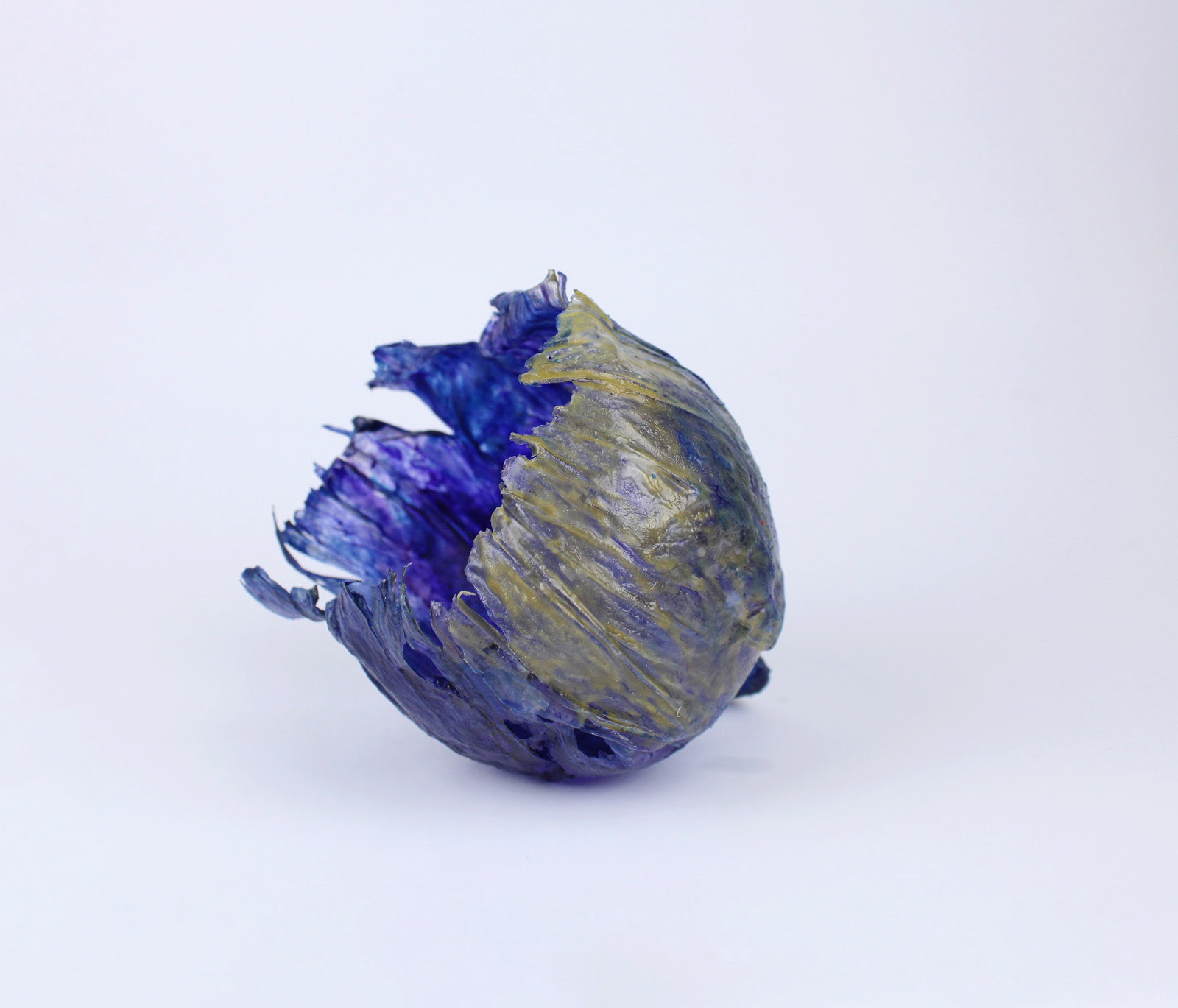
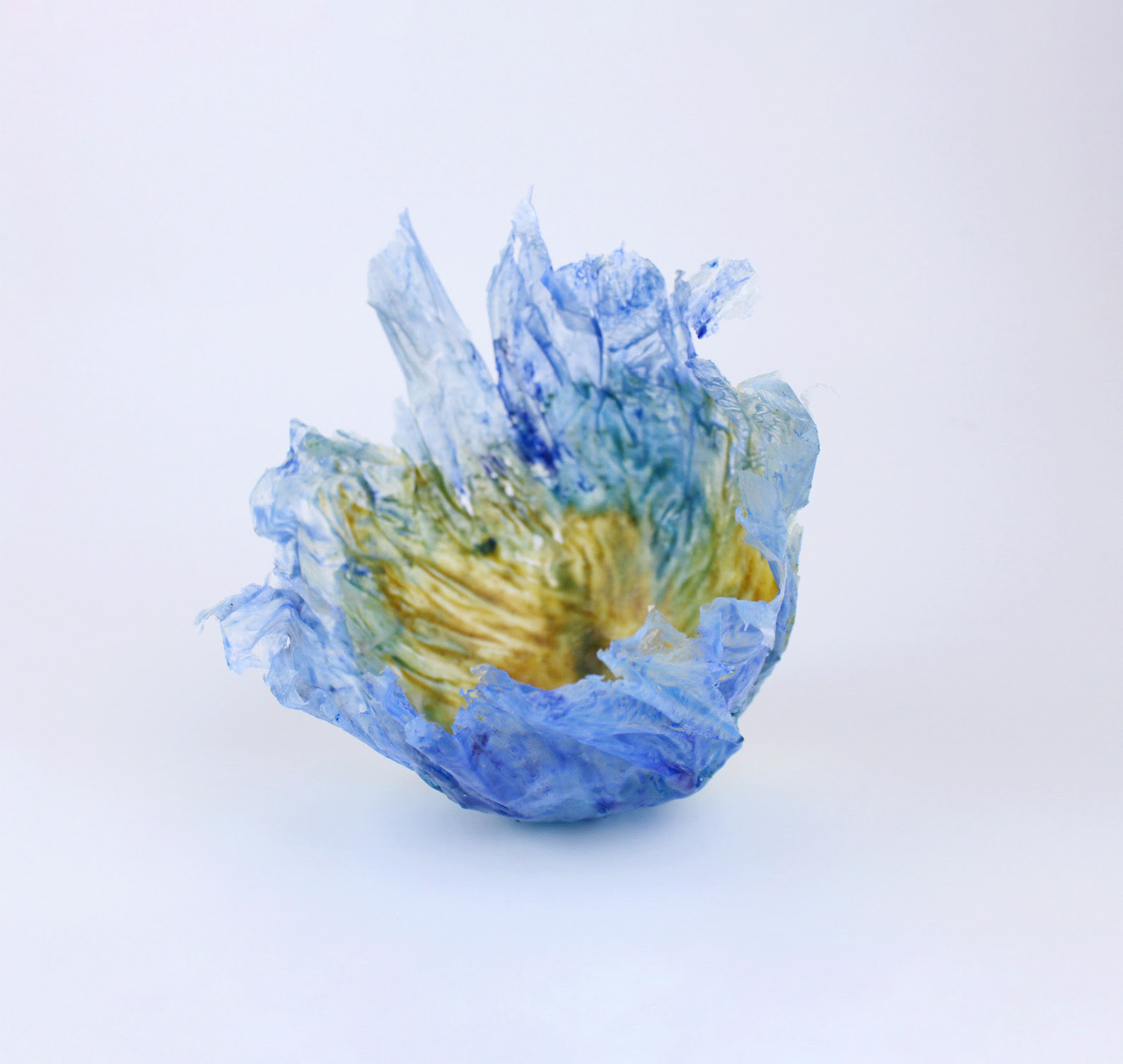
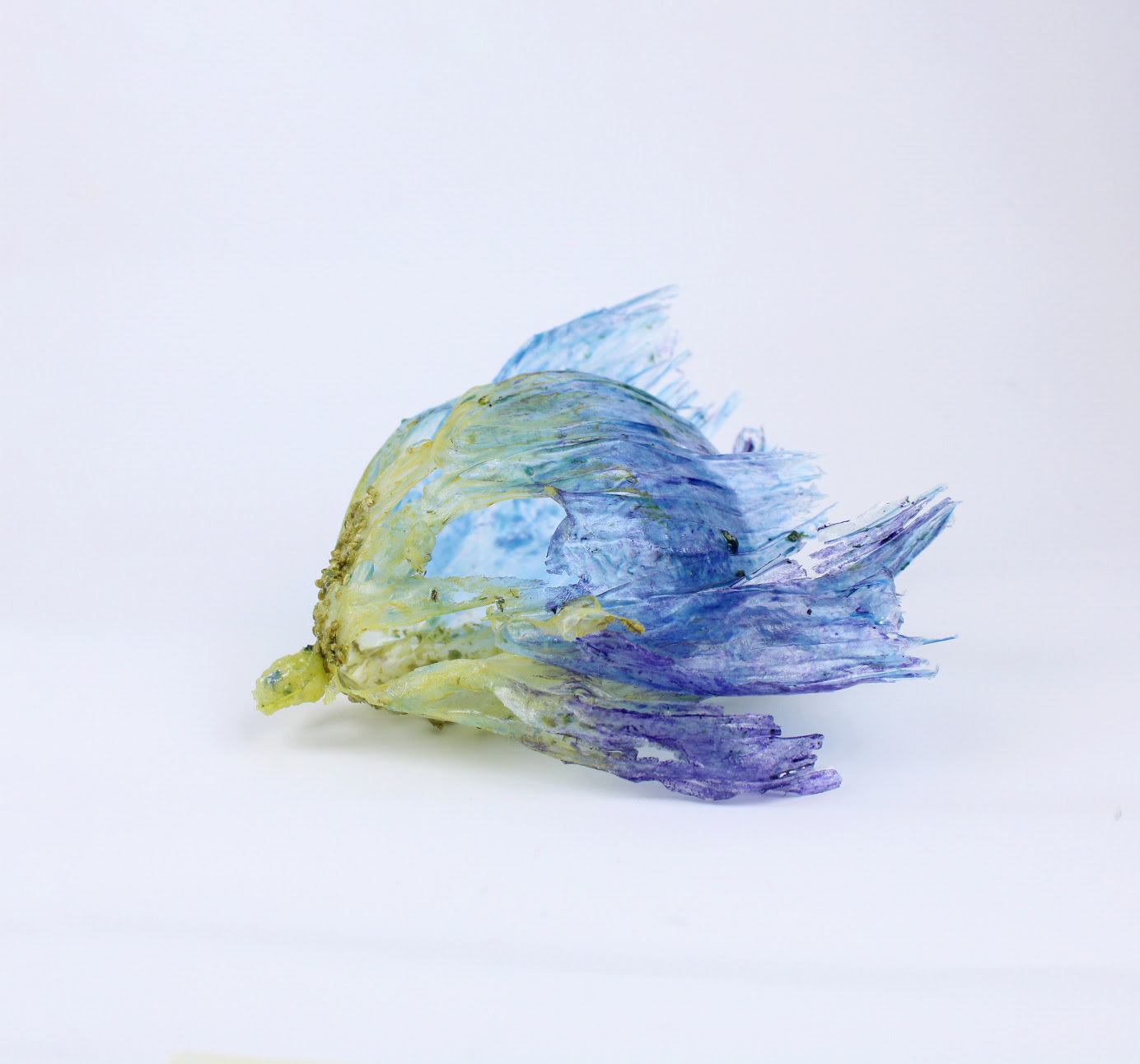
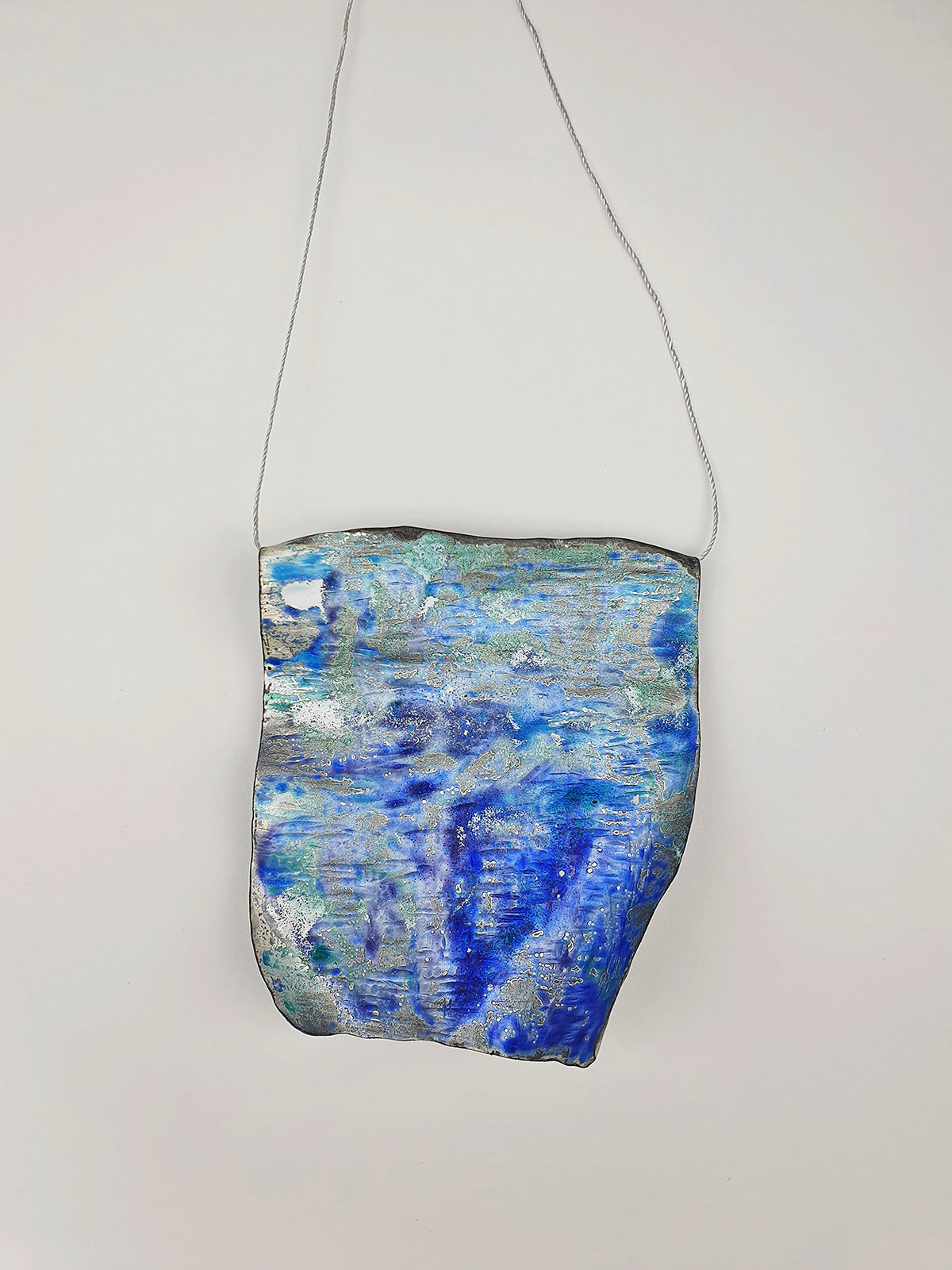
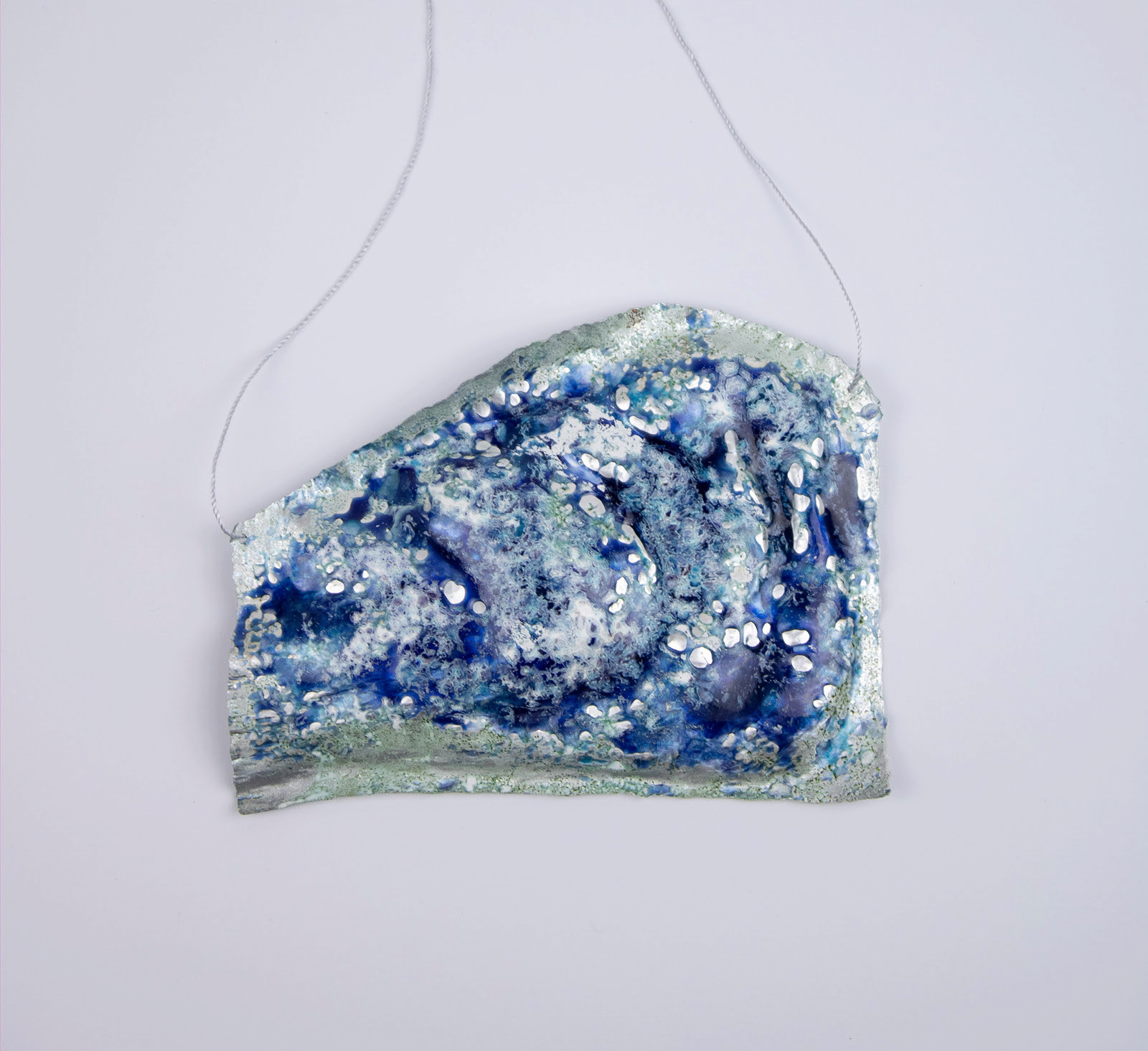
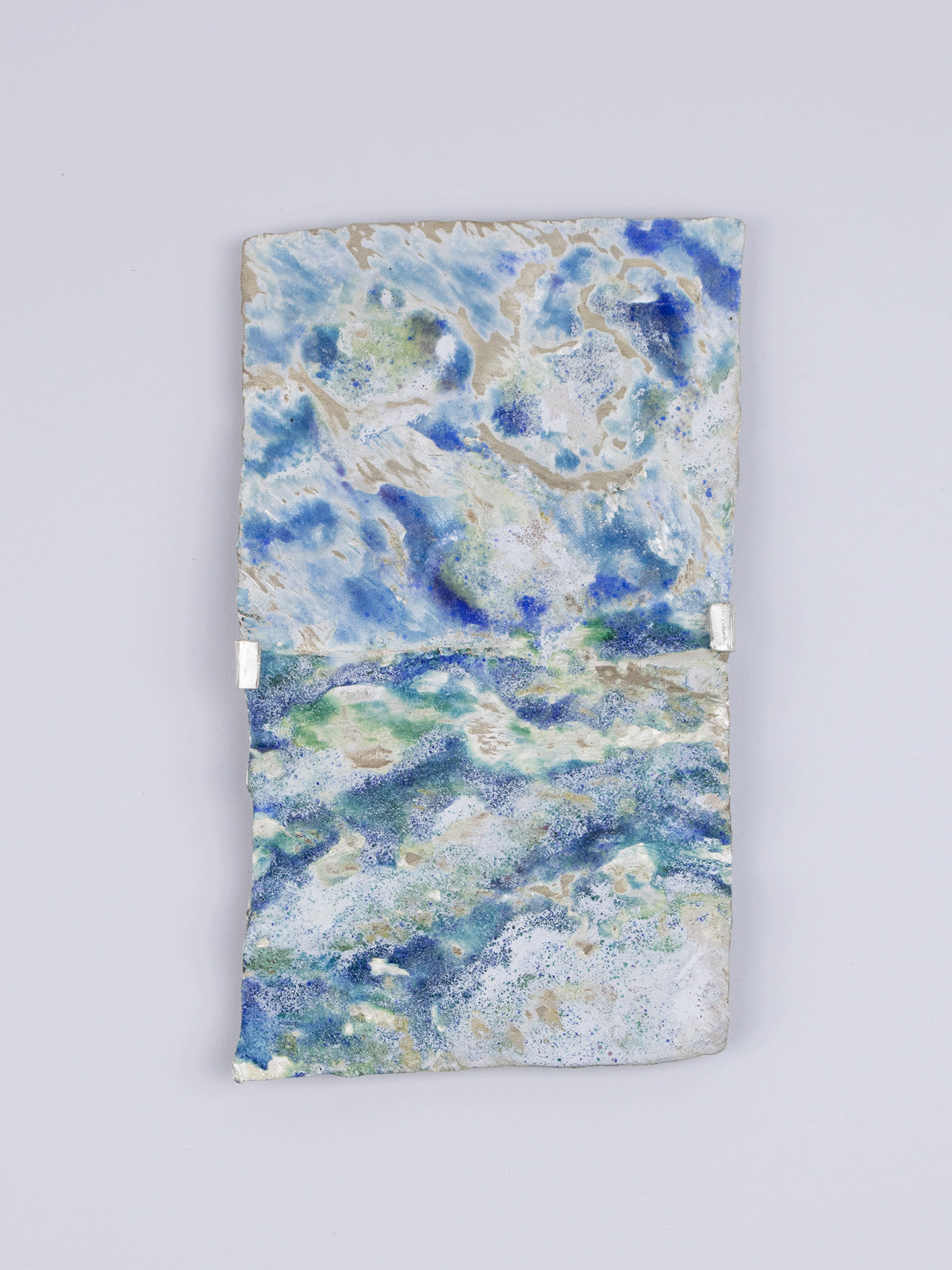

Jewellery, no matter how much you try to call it fragile and aquarellic, is usually strong, durable and rarely ephemeral. Metal has to withstand contact with the body, withstand the shocks of the environment; it is not some delicate flower that has emerged from under a fallen spring snow. But sometimes jewellery is built entirely on a foundation of emotions as fragile as snow, on memories and associations, on hunches and ephemeral vibrations. Sometimes there is not a gram of metal in the jewellery, but only epoxy resin, flattened to a film, turning into flower petals. Sometimes jewellery speaks of painting, or rather of the memory of painting, which is often even more fragile and intangible than trying to catch the vibrations of air or water with a brush. This is exactly what Joseph Mallord William Turner tried to do, whose golden clouds, mist on the water, boats merging with mist and water, cities merging with sky still envelop Tate Britain, draw you in and don’t let go, and that Impressionism, long before the Impressionists, still leaves an impression, no matter how far you go.
To Sweden, where Daria Edström attempts to translate that shimmer, that blue of the sky and gold of the clouds, onto the body, creating light, airy blossoms – like the rings of a flower/the ring for the hand – that are frightening in their fragility and vulnerability. The impression is so ephemeral and so strong, it cannot be left behind or shaken off for many years. The ring is like a splinter of those clouds and the shimmering landscape, a piece of art history, showing that always, whoever we are and however many years pass, we will always stop where the bridge emerges from the fog. Where the clouds descend into the sea.
Relic by Marytė Dominaitė
Jewellers usually decorate the vulnerable, erogenous parts of the human body: the neck, earlobes, wrists. Fingers. Their work seems to show where the gaze should…
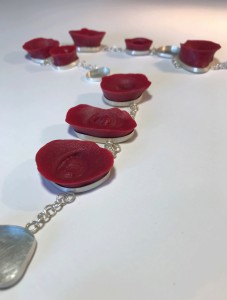
Fragility by Carole Deltenre
It’s all so fragile, especially when the snow falls incessantly, thickening that fluffy white blanket of down on the stairs, railings, balconies, uncollected leaves, children’s…
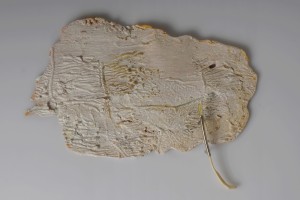
Eglė Čėjauskaitė-Gintalė – poet of the authentic past
I’m afraid of the dark and of sleeping alone. I’m even more afraid of the dark in a country house, because you can’t see the…
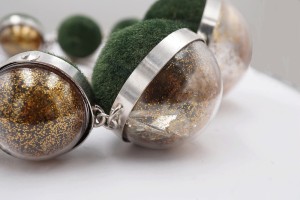
Translucent spheres of Anna Butwell
No matter how grey, white, graphic and snow-covered Advent is, no matter how you feel, as if you are covered in a heavy cotton blanket,…

Three-dimensional drawings from Klara Brynge
The curves of the human body resemble the relief of a landscape. Really. The gorges and rocks are like old wrinkled skin, and the hills…
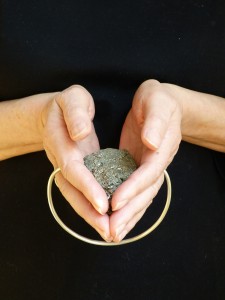
Rings by Brune Boyer
The further I go, the clearer I see how people want to belong, and there are more and more of them. Those who protect their freedom like a dragoness protects…
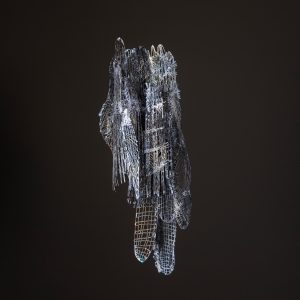
Winter landscape by Sofia Björkman
The black winter pattern of bare branches, the tracks of sledges in the snow, the feet of birds tracing dotted trajectories through the untouched snow,…

Unexped connections of Lisa Björke
The Swedish artist Lisa Björke creates unexpected connections between everyday objects and elements of traditional craftsmanship – materials and techniques. In METALLOphone, she looks back…
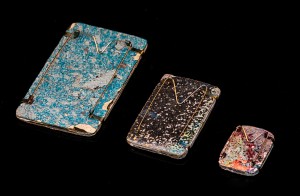
Transit spaces of Dovilė Bernadišiūtė
The Swedish-based Lithuanian jeweller refers to her objects as transit spaces. Thresholds, stops and stations, subways, and airports. These are spaces that don’t seem to…
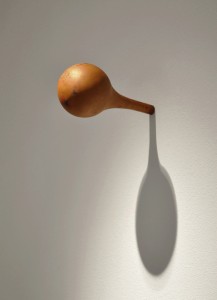
Pin by Peter Bauhuis
Peter Bauhuis (Germany) talks about being somewhere and marking that presence. About ways to tell yourself and the world – you are here. I am…
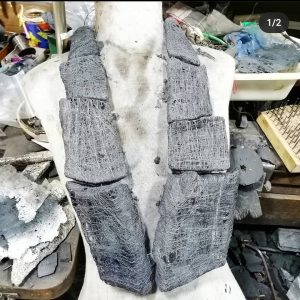
Collier by Jordi Aparicio
The black netting, stacked in rectangular “bricks”, looks massive but is actually light. The black collier requires some kind of imaginary body, it seems that…
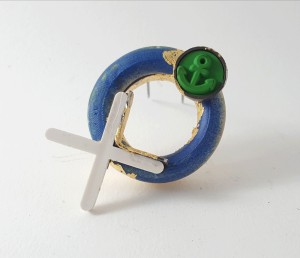
Lifebuoy by Silvia Serra Albaladejo
It seems that nothing needs to be said here. Now that the world is going mad, now that you don’t know where to stand, we…
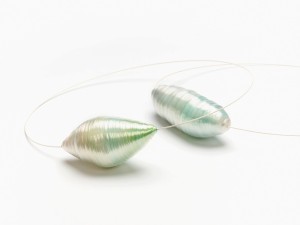
Pseudo-pearls of Andrea Auer
Andrea Auer (Austria) exhibits pseudo-pearls at METALLOphone. Large, obviously fake, much more pearl-like images, a derivative of what we imagine a pearl to be –…

Place by Ines Almeida
Her places are the ones we remember that leave traces like a paintbrush leaves paint on watercolour paper. Brooches with paper, not enamel, fragile paper…